Xifaxan (rifaximin)
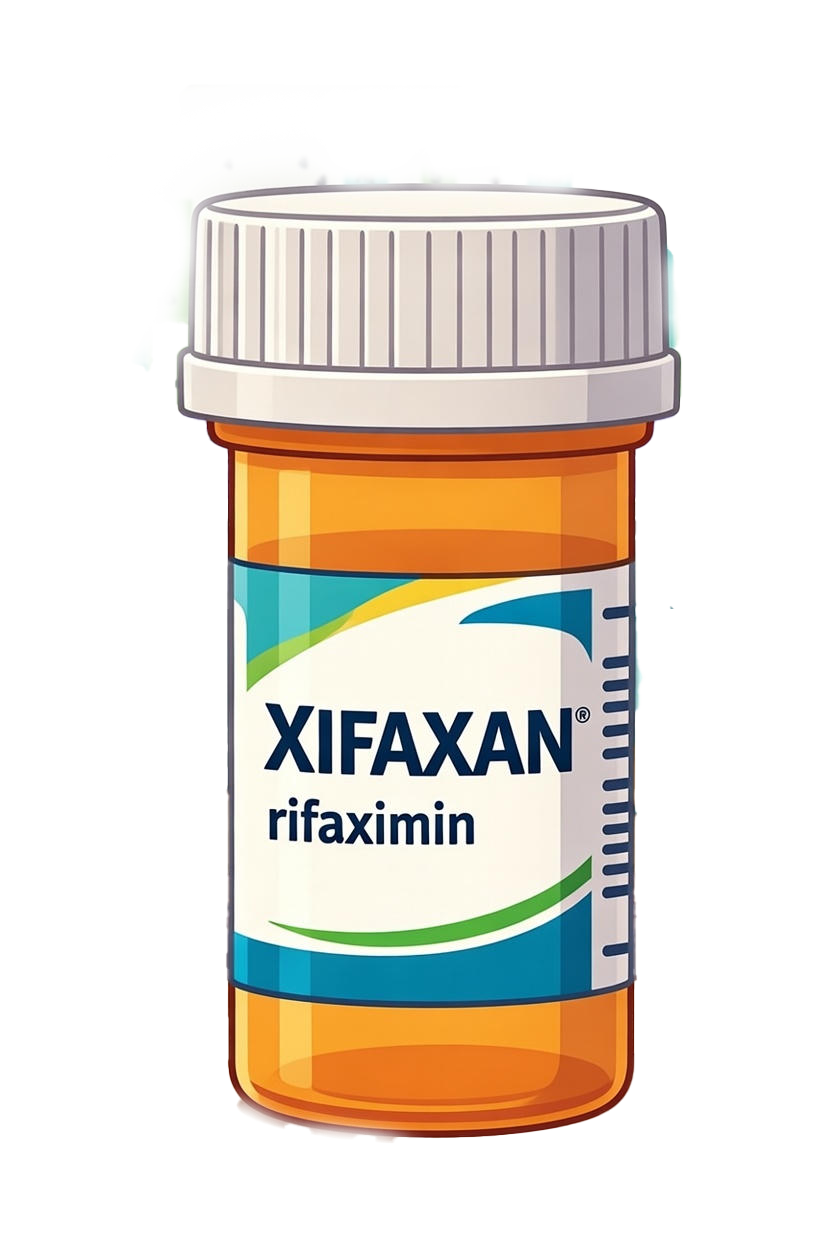
Xifaxan (rifaximin) is a non-systemic antibiotic primarily used for gastrointestinal conditions such as small intestinal bacterial overgrowth (SIBO), irritable bowel syndrome with diarrhea (IBS-D), and hepatic encephalopathy. Unlike many antibiotics, rifaximin is poorly absorbed into the bloodstream and acts mainly within the gut lumen.
-
This page summarizes anecdotal reports and community observations, not medical evidence. Reports may be incomplete, biased or inaccurate and are not medical advice or recommendations. “Risk” here refers to how frequently severe or prolonged symptom worsening is reported, not to proven causation or population-wide probability. Individual responses vary widely, and absence of issues in some users does not rule out significant reactions in others.
-
Within PFS/PSSD/PAS communities, rifaximin is discussed in relation to its potential interactions with the gut–brain axis and microbiome signaling pathways. Mechanistically, interest centers on the gut–brain axis: intestinal bacteria can influence inflammation, neuroactive metabolite production, bile acids, tryptophan metabolism, and even neurosteroid signaling indirectly. Some hypotheses propose that persistent dysbiosis or SIBO could contribute to downstream nervous-system dysregulation. These mechanisms may interact with pathways involving gut–brain signaling, neurosteroid metabolism, or immune/inflammatory signaling that are often discussed in relation to PFS / PSSD / PAS.
-
Mixed Outcomes w/ Modest Improvement
Across anecdotal reports, rifaximin shows mixed but generally modest outcomes. Some individuals report partial improvements after treatment—often described as better cognition, reduced anxiety, improved stress tolerance, or subtle sexual symptom improvement—especially when rifaximin is part of a broader gut-focused approach (diet changes, time, addressing SIBO triggers). Others report no noticeable change at all, and a smaller number report transient flares or worsening (e.g., fatigue, anxiety, GI instability), though reports of severe or permanent deterioration appear uncommon.
Importantly, when improvement is reported, it is rarely framed as a cure. More often, it is described as one contributing factor among many, and timing confounders are common (natural recovery over time, stopping other triggers, concurrent dietary changes). Because rifaximin alters gut ecology, responses can be highly individual, and benefit in one person does not generalize reliably to others.
Evidence basis: Anecdotal reports (online forums, self-reports); established pharmacology and clinical use for gastrointestinal conditions; no controlled studies examining PFS/PSSD/PAS-specific outcomes.
-
Public comments reflect individual experiences and opinions. They are not medical advice and may not be accurate or representative.