Turmeric (Curcumin)
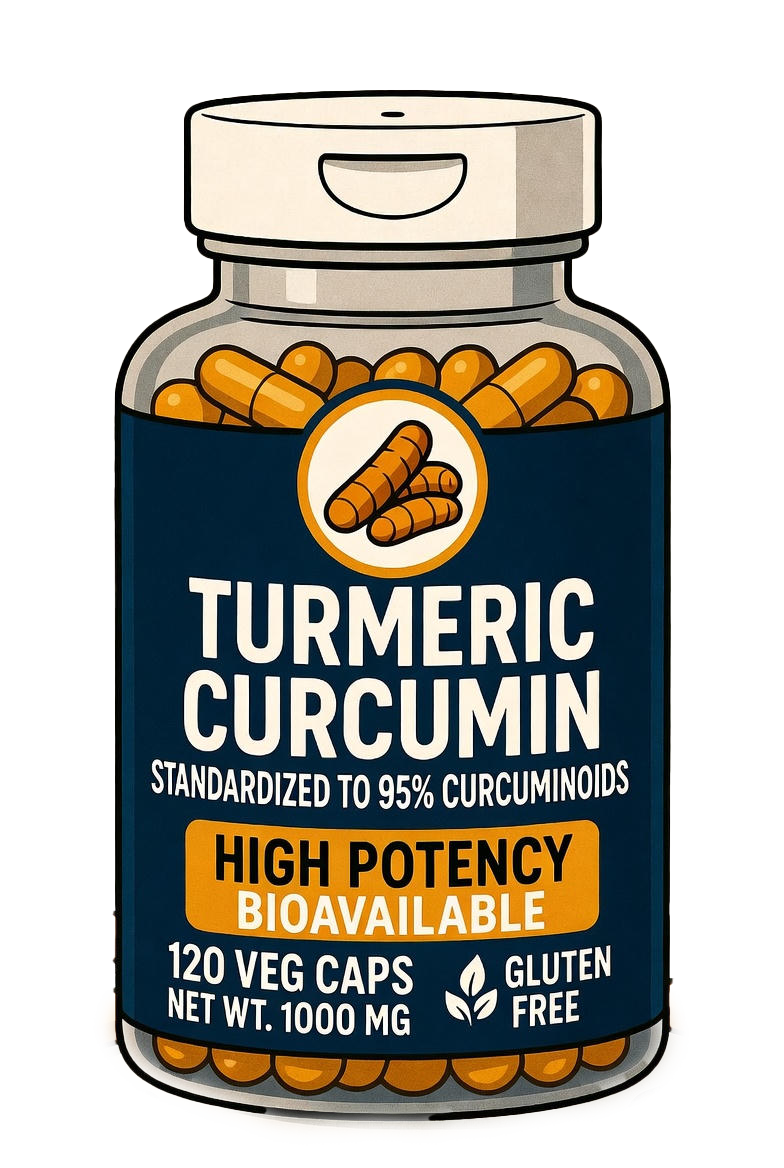
Turmeric (curcumin) is a bioactive polyphenol derived from turmeric (Curcuma longa) that is widely used for its anti-inflammatory and antioxidant properties. It is commonly taken to support joint health, manage chronic inflammation, and as an adjunct for conditions involving pain or metabolic stress. Curcumin has also been studied for potential effects on immune modulation, cardiovascular health, and neuroprotection, largely through its influence on inflammatory signaling pathways.
-
This page summarizes anecdotal reports and community observations, not medical evidence. Reports may be incomplete, biased or inaccurate and are not medical advice or recommendations. “Risk” here refers to how frequently severe or prolonged symptom worsening is reported, not to proven causation or population-wide probability. Individual responses vary widely, and absence of issues in some users does not rule out significant reactions in others.
-
Within PFS/PSSD/PAS communities, turmeric/curcumin is discussed in relation to its potential interactions with immune/inflammatory signaling pathways. Curcumin is most commonly discussed for anti-inflammatory and antioxidant signaling: it can modulate inflammatory pathways often described around NF-κB and related COX/LOX signaling, influence cytokine activity, and activate cellular stress-response/antioxidant defenses (often discussed around Nrf2). These mechanisms may interact with pathways involving inflammation, immune signaling, or cellular stress response that are often discussed in relation to PFS / PSSD / PAS.
-
Reports of Mostly Transient Flares, Higher Variance With Extracts (for PFS/PSSD/PAS):
Among individuals who already have PFS/PSSD/PAS, turmeric/curcumin is occasionally mentioned as preceding symptom flares, with reports more often involving supplements/extracts rather than culinary turmeric. Many reports describe effects that improve after stopping, but a smaller number describe longer-lasting destabilization, particularly with higher-dose products or “bioavailability enhanced” formulas (including those with piperine/black pepper extract). Because outcomes appear highly individual and formulation-dependent, some in these communities prefer to avoid concentrated curcumin supplements during stabilization, or only test cautiously (one variable at a time).
For individuals without these conditions, turmeric in food is widely consumed and generally well tolerated, while high-dose curcumin supplements can still cause GI side effects and interact with certain medications in some cases.
Evidence basis: General mechanistic literature on curcumin’s anti-inflammatory/antioxidant signaling; anecdotal reports (online forums, self-reports); no controlled studies examining PFS/PSSD/PAS-specific outcomes.
-
Public comments reflect individual experiences and opinions. They are not medical advice and may not be accurate or representative.