Tretinoin Cream
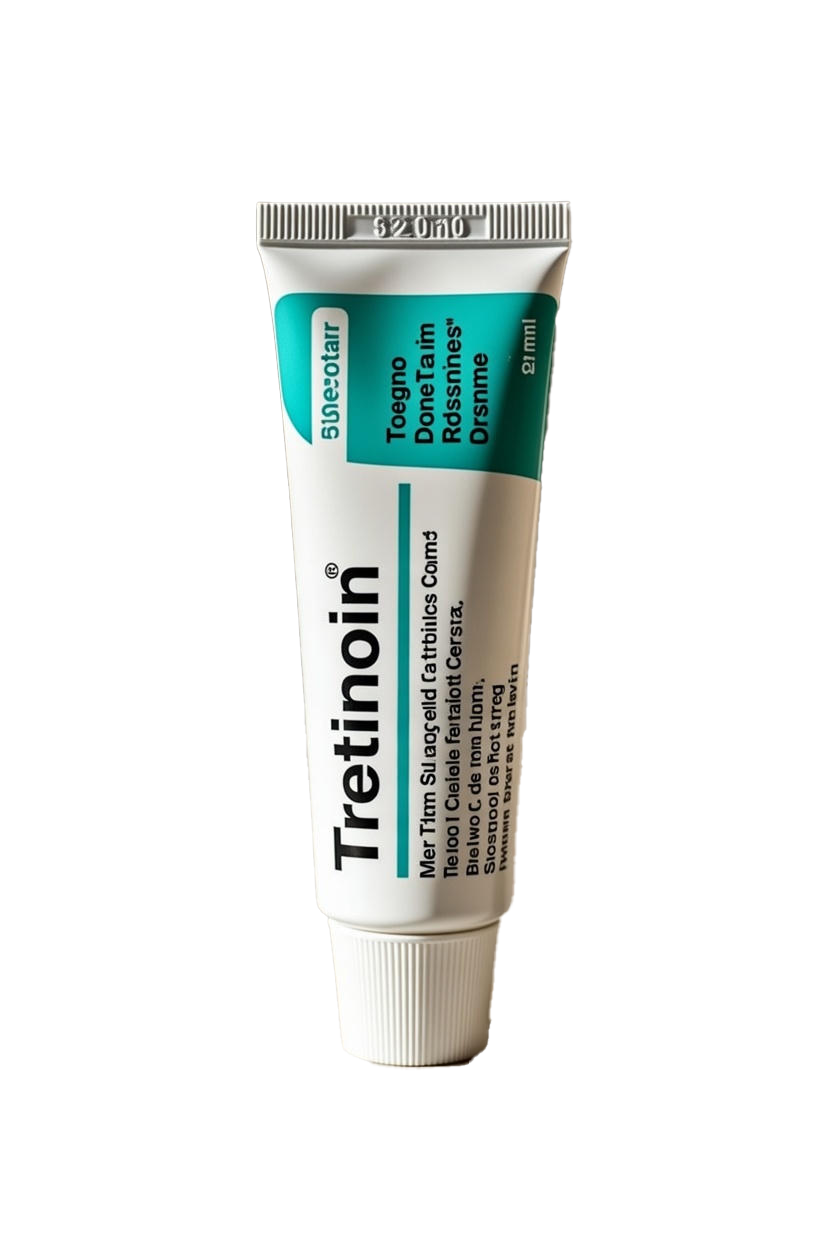
Tretinoin cream is a topical medication derived from vitamin A that is commonly used to treat acne and improve skin texture. It works by increasing skin cell turnover, helping to unclog pores and reduce inflammation. Tretinoin is also widely used for anti-aging purposes, as it can improve fine lines, pigmentation, and overall skin appearance with consistent use.
-
This page summarizes anecdotal reports and community observations, not medical evidence. Reports may be incomplete, biased or inaccurate and are not medical advice or recommendations. “Risk” here refers to how frequently severe or prolonged symptom worsening is reported, not to proven causation or population-wide probability. Individual responses vary widely, and absence of issues in some users does not rule out significant reactions in others.
-
Within PFS/PSSD/PAS communities, tretinoin is discussed in relation to its potential interactions with retinoid/vitamin A signaling pathways. Tretinoin works primarily by binding retinoic acid receptors (RAR) and RXR in skin cells, altering gene expression to normalize follicular keratinization, reduce comedone formation, and increase skin cell turnover. A key distinction from oral isotretinoin (Accutane) is route and exposure: tretinoin is applied to the skin, and studies generally show minimal systemic absorption from topical use (often cited around ~1–2% with typical formulations), resulting in far lower whole-body exposure than oral retinoids. These mechanisms may interact with pathways involving retinoic acid receptor signaling and gene expression that are often discussed in relation to PFS / PSSD / PAS.
-
Reports of Severe and Sometimes Lasting Worsening (for PFS/PSSD/PAS):
Among individuals who already have PFS/PSSD/PAS, tretinoin is approached with moderate caution as it is occasionally cited in community reports as preceding symptom worsening, with accounts describing both acute exacerbations and sometimes longer-lasting declines in baseline. Although the severity and duration of these reactions vary between individuals, reports within this subgroup show a largely consistent direction toward worsening rather than improvement. Reports appear far less frequent than those associated with oral isotretinoin, and many users report no issues. Because exposure is typically low but individual sensitivity varies, some in the community choose cautious use (lower frequency, smaller application areas) or avoidance during unstable periods. In light of this pattern, many within the community view tretinoin as carrying a risk for those with established PFS/PSSD/PAS, even in the absence of controlled data.
For individuals without these conditions, topical tretinoin is widely prescribed and tolerated by many.
Evidence basis: Anecdotal reports (online forums, self-reports); pharmacology of topical retinoids and absorption data; no controlled studies examining PFS/PSSD/PAS-specific outcomes.
-
Public comments reflect individual experiences and opinions. They are not medical advice and may not be accurate or representative.