Retinol Cream
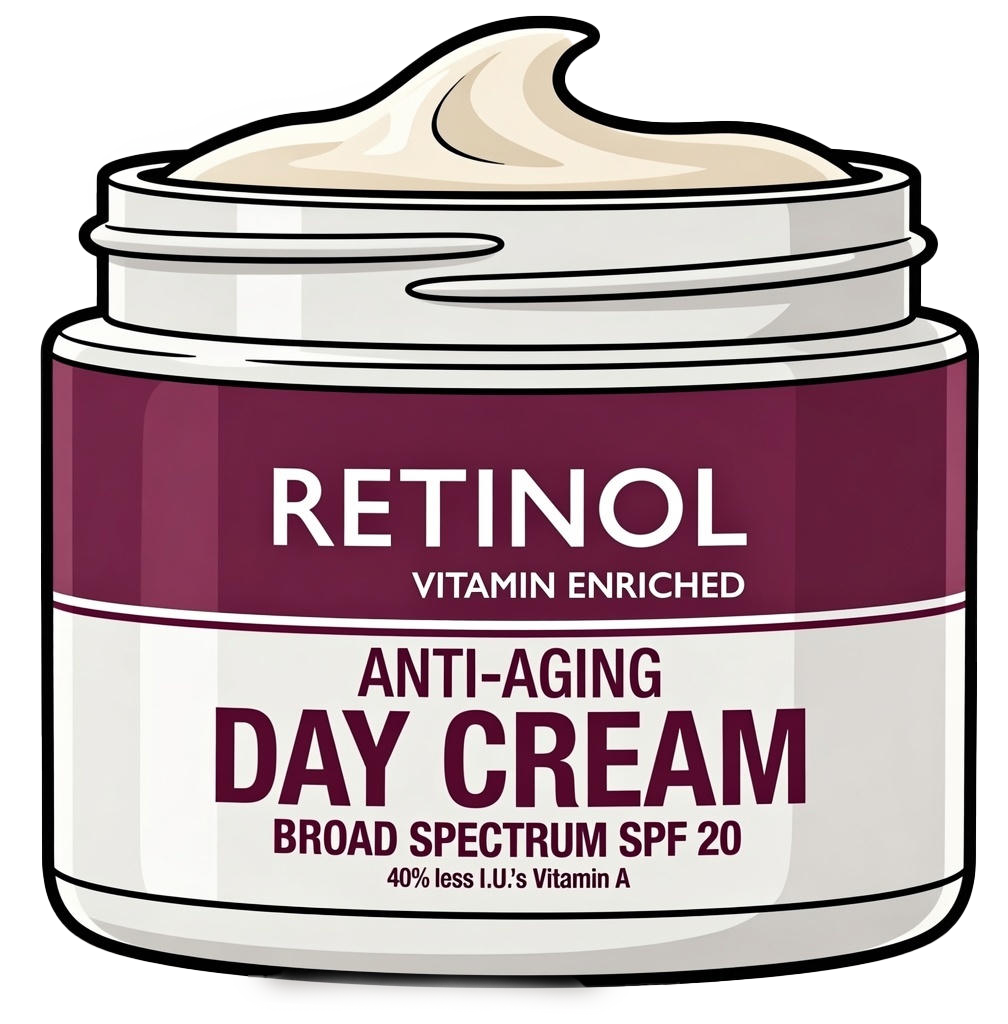
Retinol creams are topical vitamin A derivatives (retinoids) commonly used for acne and anti-aging. In the skin, retinol is converted into active retinoic-acid forms that influence cell turnover, collagen-related signaling, and inflammation, which is why it can improve texture and breakouts.
-
This page summarizes anecdotal reports and community observations, not medical evidence. Reports may be incomplete, biased or inaccurate and are not medical advice or recommendations. “Risk” here refers to how frequently severe or prolonged symptom worsening is reported, not to proven causation or population-wide probability. Individual responses vary widely, and absence of issues in some users does not rule out significant reactions in others.
-
Within PFS/PSSD/PAS communities, retinol is discussed in relation to its potential interactions with retinoid/vitamin A signaling pathways. Retinol sits within the broader vitamin A / retinoid pathway, which is also relevant to oral isotretinoin (Accutane). In the skin, retinol is converted into active retinoic-acid forms that influence cell turnover, collagen-related signaling, and inflammation. However, topical retinol generally produces far lower systemic exposure than oral retinoids. These mechanisms may interact with pathways involving retinoic acid receptor signaling and gene expression that are often discussed in relation to PFS / PSSD / PAS.
-
Reports of Symptom Worsening in Some Users (for PFS/PSSD/PAS)
Among individuals who already have PFS/PSSD/PAS, topical retinol is occasionally mentioned in community reports as preceding symptom flares, sometimes described as destabilizing. Many users report no issues, and reports appear less frequent than those associated with oral isotretinoin, but a subset of individuals describe notable reactions. Because outcomes appear variable and topical products differ widely in strength and usage patterns, some in the community choose cautious use or avoidance.
For individuals without these conditions, retinol products are widely used, and most adverse effects are localized skin irritation rather than systemic symptoms.
Evidence basis: Anecdotal reports (online forums, self-reports); general pharmacology of topical retinoids and absorption considerations; no controlled studies examining PFS/PSSD/PAS-specific outcomes.
-
Public comments reflect individual experiences and opinions. They are not medical advice and may not be accurate or representative.