Progesterone
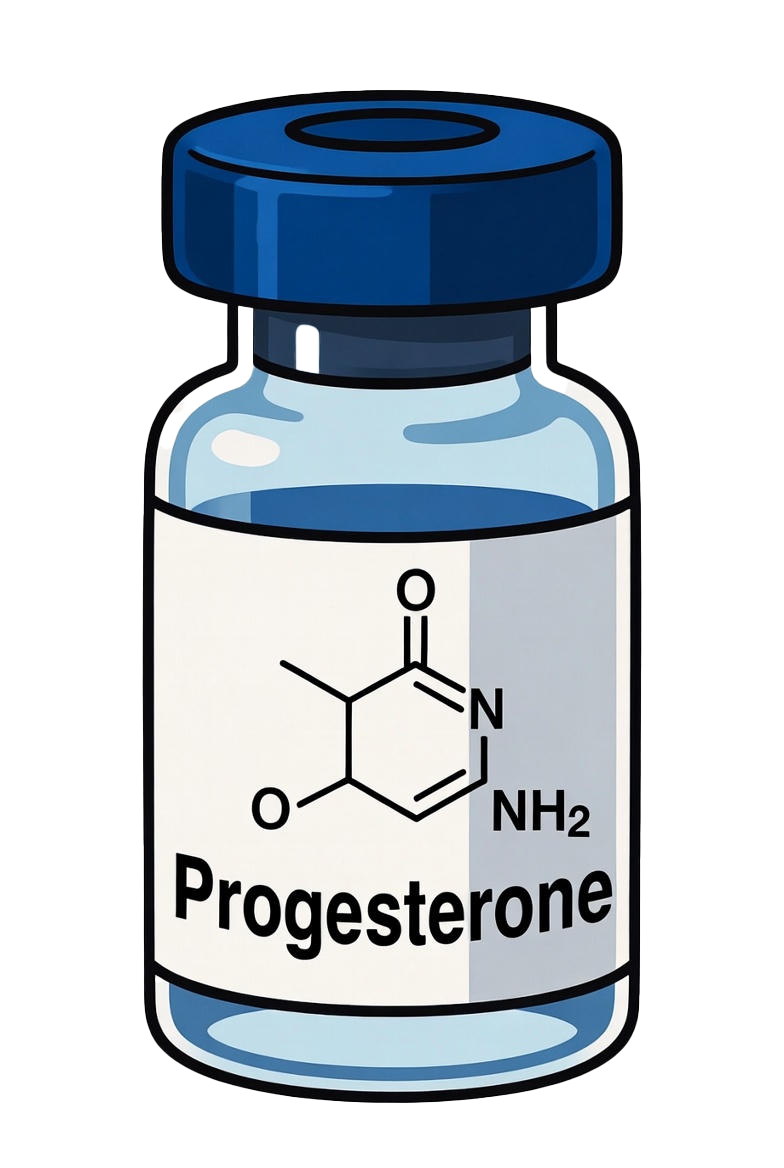
Progesterone is a steroid hormone used clinically in various forms (most commonly oral micronized progesterone, but also transdermal and vaginal preparations). It is not a neutral supplement: progesterone meaningfully alters endocrine and neurosteroid signaling, with effects on mood, sleep, stress tolerance, and sedation. Because it is a hormone with systemic activity, responses are highly dose-dependent and individual-specific, and use typically requires clinician oversight.
-
This page summarizes anecdotal reports and community observations, not medical evidence. Reports may be incomplete, biased or inaccurate and are not medical advice or recommendations. “Risk” here refers to how frequently severe or prolonged symptom worsening is reported, not to proven causation or population-wide probability. Individual responses vary widely, and absence of issues in some users does not rule out significant reactions in others.
-
Within PFS/PSSD/PAS communities, progesterone is discussed in relation to its potential interactions with neurosteroid synthesis pathways and GABA-A receptor modulation. Progesterone comes up primarily because it is the precursor to allopregnanolone, a powerful neurosteroid that positively modulates GABA-A receptors. Allopregnanolone is synthesized from progesterone via 5-alpha-reductase (5AR) and 3α-HSD, and disruptions in neurosteroid signaling (rather than classic GABA deficiency) are a commonly discussed theory in these syndromes. The hypothesis some people explore is that, in certain individuals, progesterone might increase downstream allopregnanolone availability and improve symptoms related to anxiety, sleep, stress response, or emotional range. At the same time, this pathway introduces complexity: a key concern raised in PFS communities is that progesterone is often described as a functional 5-alpha-reductase inhibitor, meaning it can reduce conversion of testosterone to DHT. These mechanisms may interact with pathways involving neurosteroid synthesis (particularly allopregnanolone), GABA-A receptor modulation, or 5-alpha-reductase activity that are often discussed in relation to PFS / PSSD / PAS.
-
Mixed Responses With Hormonal and Mechanistic Risks (for PFS/PSSD/PAS):
Among individuals with PFS, PSSD, or PAS, progesterone is described in community reports as producing highly variable outcomes. Some users report defined but individual improvements, such as noticeable improvements in sleep quality, anxiety reduction, emotional regulation, or stress tolerance, sometimes described as a clearer calming or stabilizing effect rather than a vague benefit. These improvements are generally framed as symptomatic and do not consistently extend to full recovery of sexual, motivational, or reward-related symptoms. Many others report no meaningful benefit.
Community reports also include a substantial number of worsening or destabilizing responses, including increased emotional blunting, fatigue, libido suppression, sexual numbness, or feeling hormonally “off.” A commonly cited concern is progesterone’s functional role as a 5-alpha-reductase inhibitor, which may reduce DHT production—raising particular caution for individuals whose condition followed 5AR inhibition. While progesterone is upstream of allopregnanolone, it also sits upstream of the same pathway implicated in PFS, making outcomes difficult to predict and plausibly bidirectional.
Because progesterone is hormonally active and interacts with both neurosteroid and androgen pathways, it is generally viewed within the community as a high-complexity intervention with non-trivial risk. As a result, it is often approached cautiously and considered appropriate only under clinician supervision rather than casual experimentation.
Evidence Basis: Forums, anecdotes no studies done regarding pfs/pssd/pas.
-
Public comments reflect individual experiences and opinions. They are not medical advice and may not be accurate or representative.