Post Cycle Therapy (PCT)
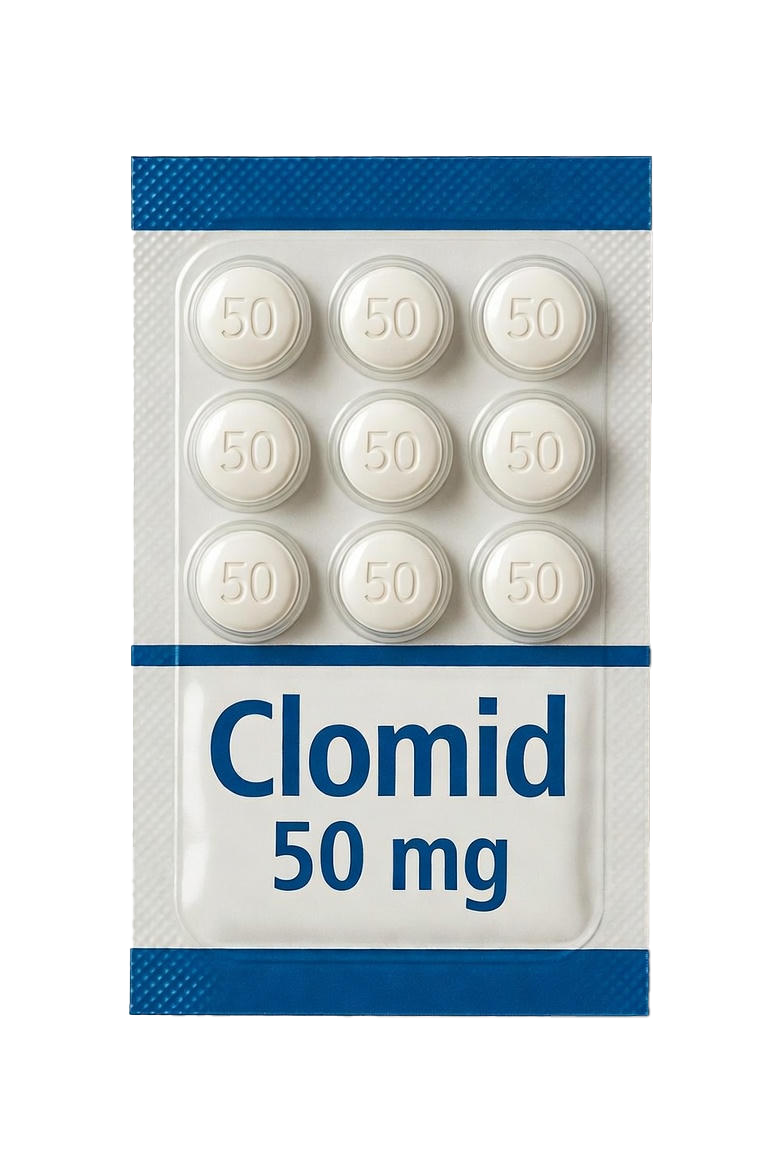
Post-cycle therapy (PCT) refers to strategies used to restore endogenous hormone production after suppression of the hypothalamic–pituitary–testicular axis (HPTA). In practice, this can mean simply stopping exogenous androgens and allowing time for recovery, or using medications such as clomiphene (Clomid) or enclomiphene to stimulate LH/FSH signaling and encourage testosterone production. PCT is most commonly discussed in bodybuilding and endocrinology contexts.
-
This page summarizes anecdotal reports and community observations, not medical evidence. Reports may be incomplete, biased or inaccurate and are not medical advice or recommendations. “Risk” here refers to how frequently severe or prolonged symptom worsening is reported, not to proven causation or population-wide probability. Individual responses vary widely, and absence of issues in some users does not rule out significant reactions in others.
-
Within PFS/PSSD/PAS communities, PCT is discussed in relation to its potential interactions with the HPG axis and endogenous hormone recovery pathways. Post-cycle therapy (PCT) refers to strategies used to restore endogenous hormone production after suppression of the hypothalamic–pituitary–testicular axis (HPTA). In practice, this can mean simply stopping exogenous androgens and allowing time for recovery, or using medications such as clomiphene (Clomid) or enclomiphene to stimulate LH/FSH signaling and encourage testosterone production. The theory some people reference is that if androgen signaling has become dysregulated or "stuck" after suppression, a structured withdrawal and recovery phase—sometimes supported by medications like clomiphene—might help re-establish a more stable baseline. Importantly, this approach does not directly address all proposed mechanisms of PFS/PSSD/PAS (e.g., neurosteroids, receptor-level changes), which may explain why outcomes vary widely. These mechanisms may interact with pathways involving HPG axis function, endogenous hormone production, or hormone recovery that are often discussed in relation to PFS / PSSD / PAS.
-
Mixed Responses With Occasional Recovery Anecdotes, but Low Reliability (for PFS/PSSD/PAS):
Among individuals with PFS, PSSD, or PAS, post-cycle therapy (PCT)—including clomiphene-based protocols or natural HPTA recovery after stopping androgens—appears in a small but notable number of recovery anecdotes, including a few reports of major improvement or apparent recovery. More commonly, individuals report partial improvements such as increased energy, libido, or mood stability, or gradual normalization over time after discontinuing suppressive agents. However, many report little to no meaningful change, and overall community experience does not suggest PCT is a reliable or reproducible cure, even though some individuals do recover while using it.
Community reports also describe risks and destabilization, particularly with clomiphene (Clomid), which is associated with flares or crash-like reactions in some users, including anxiety or mood spikes, emotional volatility, insomnia, feeling “wired” or off, libido swings, or general hormonal instability. While these reactions often improve after discontinuation, they are not always immediate. Repeated or aggressive manipulation of the HPTA—such as frequent cycling, large hormonal swings, or stacking compounds—appears especially destabilizing for hormonally sensitive individuals. Enclomiphene is sometimes reported as better tolerated, but outcomes remain mixed and it is not considered risk-free.
A recurring theme in recovery anecdotes is that time, stabilization, and stopping suppressive agents may be as important as any specific PCT drug, making it difficult to attribute improvement to PCT alone. As a result, PCT is generally viewed within the community as a potential component of recovery rather than a dependable solution, and—when medications are involved—best approached conservatively with clinician oversight and baseline monitoring rather than trial-and-error experimentation.
Evidence basis: established endocrinology of HPTA suppression and recovery; clinical use of clomiphene for hypogonadism; community anecdotes and self-reports. No controlled studies demonstrate PCT efficacy for PFS, PSSD, or PAS.
-
Crash / Baseline Drop (Reported)
Improvement / Recovery Claims
Public comments reflect individual experiences and opinions. They are not medical advice and may not be accurate or representative.