Opioids
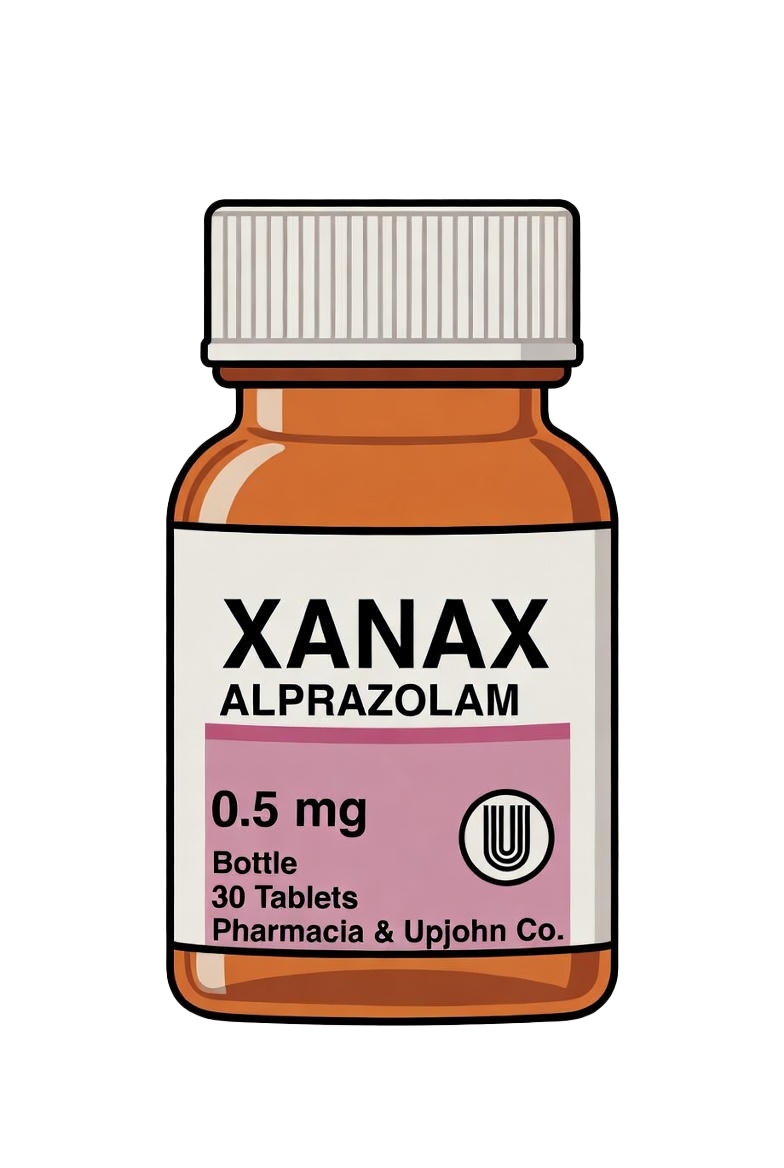
Benzodiazepines (e.g., diazepam/Valium, clonazepam/Klonopin, lorazepam/Ativan, alprazolam/Xanax) are prescription sedative-anxiolytic medications most commonly used for acute anxiety/panic, insomnia, muscle spasm, and seizure rescue. Their core action is positive allosteric modulation of the GABA-A receptor, which increases inhibitory (“calming”) signaling in the brain. In practical terms, that can reduce anxiety and agitation quickly, but it can also cause sedation, memory/cognition effects, and impaired coordination—especially at higher doses or when combined with other CNS depressants.
-
This page summarizes anecdotal reports and community observations, not medical evidence. Reports may be incomplete, biased or inaccurate and are not medical advice or recommendations. “Risk” here refers to how frequently severe or prolonged symptom worsening is reported, not to proven causation or population-wide probability. Individual responses vary widely, and absence of issues in some users does not rule out significant reactions in others.
-
Within PFS/PSSD/PAS communities, benzodiazepines are discussed in relation to their potential interactions with GABA-A receptor signaling and neurosteroid pathways. Their core action is positive allosteric modulation of the GABA-A receptor, which increases inhibitory ("calming") signaling in the brain. GABA/neurosteroid signaling is a common suspected "problem area" in these syndromes, and many people describe unusual responses to GABAergic substances (for example, diminished or altered effects from alcohol or benzos). These mechanisms may interact with pathways involving GABA-A receptor modulation and neurosteroid balance that are often discussed in relation to PFS / PSSD / PAS.
-
Mixed Responses With Dependency and Rebound Risks (for PFS/PSSD/PAS):
Among individuals with PFS, PSSD, or PAS, benzodiazepines are generally described as providing short-term symptom relief rather than recovery. Some users report temporary reductions in acute anxiety, panic, insomnia, or “wired” overstimulation, while others report minimal effect—sometimes noting a blunted or absent response to both benzodiazepines and alcohol, which they interpret as part of broader GABA or neurosteroid disruption. A subset of reports describe rebound effects such as worsened anxiety, sleep disruption, emotional blunting, or feeling “off” as the drug wears off, particularly with repeated use.
While benzodiazepines are not commonly framed as strong crash triggers specific to PFS or PSSD, outcomes are widely viewed as short-lived and unpredictable, with the primary concern being tolerance, dependence, and withdrawal rather than durable benefit. As a result, many within the community view benzodiazepines as a potential short-term band-aid for select symptoms rather than a solution, and caution against regular use due to the risk of creating a secondary dependence problem.
Evidence Basis: Established pharmacology and clinical safety guidance for benzodiazepines; anecdotal community reports (online forums, self-reports). No controlled studies show benzos treat PFS/PSSD/PAS specifically.
-
Public comments reflect individual experiences and opinions. They are not medical advice and may not be accurate or representative.