Opioids
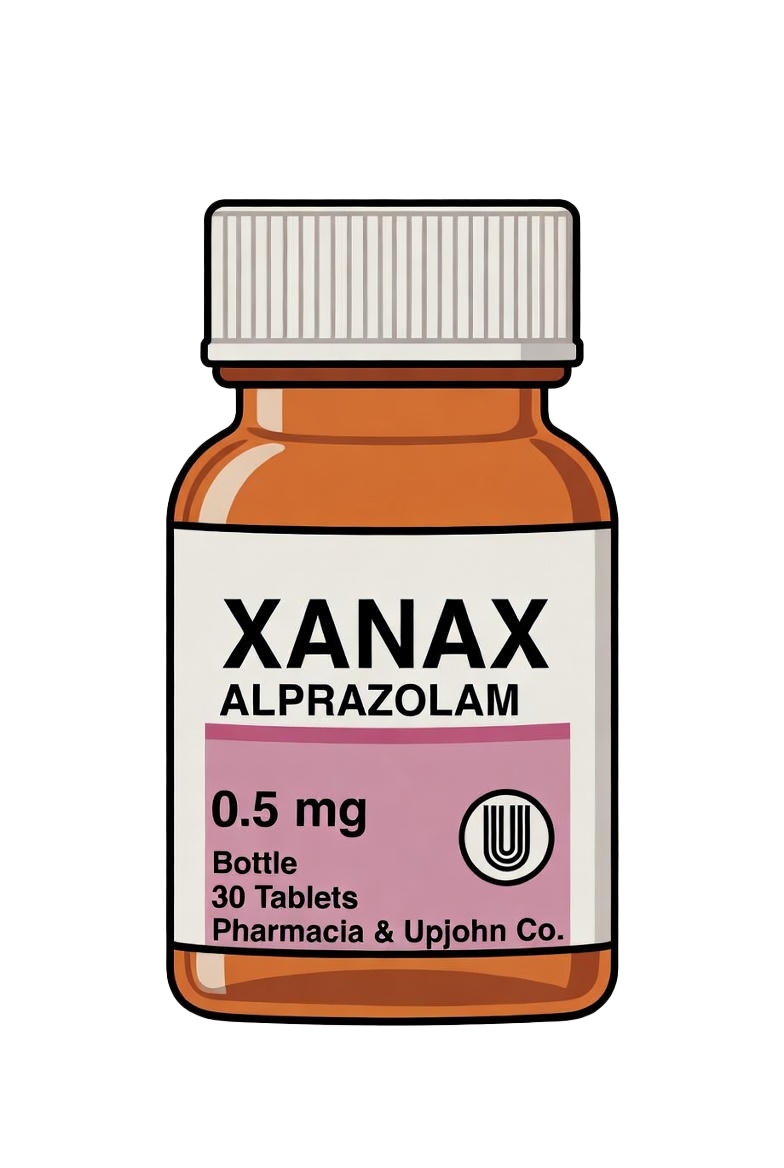
Benzodiazepines (e.g., diazepam/Valium, clonazepam/Klonopin, lorazepam/Ativan, alprazolam/Xanax) are prescription sedative-anxiolytic medications most commonly used for acute anxiety/panic, insomnia, muscle spasm, and seizure rescue. Their core action is positive allosteric modulation of the GABA-A receptor, which increases inhibitory (“calming”) signaling in the brain. In practical terms, that can reduce anxiety and agitation quickly, but it can also cause sedation, memory/cognition effects, and impaired coordination—especially at higher doses or when combined with other CNS depressants.
In PFS/PSSD/PAS communities, benzos get discussed because GABA/neurosteroid signaling is a common suspected “problem area”, and many people describe unusual responses to GABAergic substances (for example, diminished or altered effects from alcohol or benzos). That doesn’t mean benzos “fix” the condition—it’s more that they interact with a system that may already feel unstable, so the experience can range from clear short-term relief to “I barely feel it” to feeling paradoxically worse or dysregulated afterward.
Anecdotes (Community Reports):
https://www.reddit.com/r/PSSD/comments/vbxoww/warning_stay_the_fuck_away_from_benzos_and_z_drugs/
https://forum.propeciahelp.com/t/anyone-taken-alprazolam-xanax-please-help/7286/8
How to Interpret This Page
This page summarizes anecdotal reports and community observations, not medical evidence. “Risk” here refers to how frequently severe or prolonged symptom worsening is reported, not to proven causation or population-wide probability. Individual responses vary widely, and absence of issues in some users does not rule out significant reactions in others.
Community Reports: Mixed Outcomes & Variable Risk Signal
Community anecdotes are variable and usually frame benzos as symptom relief rather than recovery. Some people report that a benzo can temporarily help with acute anxiety, panic, insomnia, or “wired” overstimulation. Others report little benefit—sometimes specifically noting they don’t feel benzos or alcohol normally, which they interpret as part of the broader GABA/neurosteroid disruption. A smaller set describe rebound problems (worse anxiety, worse sleep, emotional blunting, feeling “off” the next day), especially with repeated use or as the drug wears off.
Overall, benzos are not commonly described as a “high crash trigger” in the same way as strong serotonergic agents or direct anti-androgens, but the outcomes still read as unpredictable and short-lived, with the bigger concern being dependence/tolerance rather than a PFS/PSSD-specific “cure” effect.
Reported Risks / Reasons for Caution
Even if “crash risk” isn’t the main issue, benzos carry serious standalone risks:
Tolerance and dependence can develop, sometimes surprisingly fast with regular use.
Withdrawal can be severe (rebound anxiety/insomnia, agitation, sensory disturbances, and in high-risk cases seizures).
Potential longer-term issues reported in general populations include persistent anxiety/sleep disruption and cognitive effects in some users after prolonged use.
Dangerous interactions with alcohol, opioids, and other sedatives due to additive respiratory/CNS depression.
For a PFS/PSSD/PAS audience, the most honest framing is: benzos may “band-aid” certain symptoms for some people, but they don’t appear to reliably address the underlying syndrome and they can create a second problem(dependence/withdrawal) if used regularly.
Evidence Basis
Established pharmacology and clinical safety guidance for benzodiazepines; anecdotal community reports (online forums, self-reports). No controlled studies show benzos treat PFS/PSSD/PAS specifically.