ALCAR (Acetyl L Carnitine)
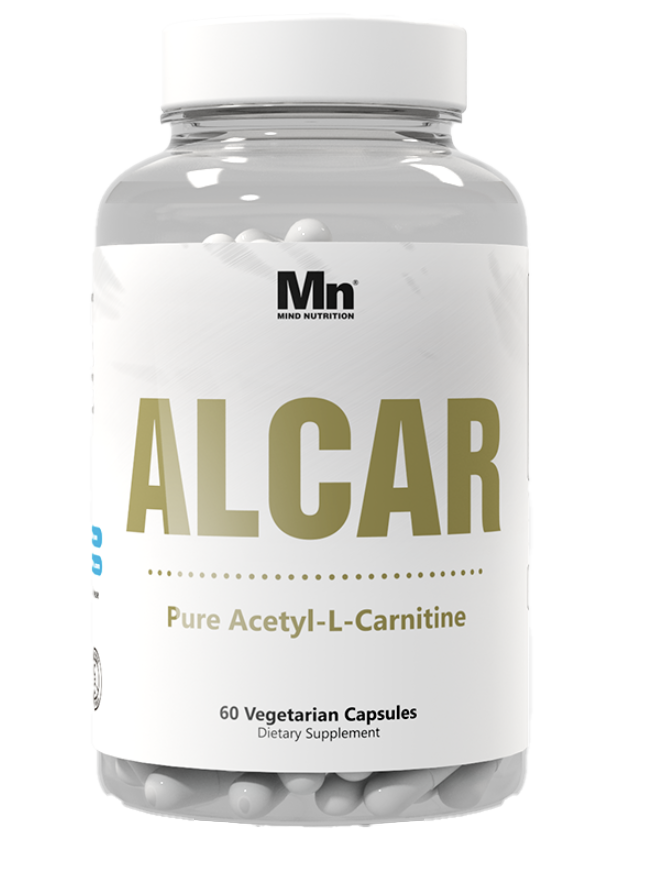
Acetyl-L-carnitine (ALCAR) is a modified form of carnitine where an acetyl group is attached. It’s commonly sold as a “brain/energy” supplement and is often discussed for cognitive support, nerve health, and fatigue, partly because the acetyl group helps it cross into the central nervous system more readily than standard L-carnitine. In supplement discussions, people sometimes lump “carnitine” together, but ALCAR is not the same as L-carnitine (or L-carnitine L-tartrate): it tends to feel more CNS-active and can produce a different side-effect profile.
Mechanistically, ALCAR is often framed around mitochondrial energy metabolism and neurotransmitter tone. Because it can influence brain energy signaling and intersects with cholinergic/monoaminergic systems (directly or indirectly), it can be experienced as “activating” for some people—especially at higher doses or when combined with other stimulating agents. In a sensitized nervous system (which many people with PFS/PSSD/PAS describe), that kind of activation can sometimes translate into sleep disruption, anxiety, agitation, or a feeling of being neurologically “pushed” rather than supported.
Crash Anecdotes (Community Reports):
https://www.reddit.com/r/FinasterideSyndrome/comments/1ifvkvb/lcartinine_tartrate_alcar/
https://www.reddit.com/r/PSSD/comments/u2wk41/experiences_with_alcar_acetyllcarnitine/
How to Interpret This Page
This page summarizes anecdotal reports and community observations, not medical evidence. “Risk” here refers to how frequently severe or prolonged symptom worsening is reported, not to proven causation or population-wide probability. Individual responses vary widely, and absence of issues in some users does not rule out significant reactions in others.
Risk Signal Based on User Reports
Community Reports: High Worsening Signal / Avoidance-leaning
Within PFS/PSSD/PAS community discussions, ALCAR is frequently described as a problematic trigger rather than a reliable “support” supplement. Many reports describe flares/crash-like reactions after starting ALCAR or increasing dose—often framed as worsened anhedonia/emotional blunting, anxiety/inner agitation, insomnia, brain fog/cognitive destabilization, fatigue shifts, or sexual-symptom worsening. Some people report no issue or even mild benefit, but the overall anecdotal pattern is commonly described as skewing negative compared with standard L-carnitine forms.
Practical risk cues often mentioned by the community: higher doses, stacking with other stimulating supplements/meds, and trying it during an already-unstable period (poor sleep, high stress, recent crash) tend to be associated with worse outcomes in reports. Because the upside is usually described as modest—and the downside can be significant for a subset—many people in these communities choose to avoid ALCAR rather than test it.
Evidence basis: General supplement pharmacology and mechanistic plausibility (CNS-active/activating profile); anecdotal reports (forums/self-reports). No controlled studies evaluating ALCAR outcomes in PFS/PSSD/PAS specifically.