Post Cycle Therapy (PCT)
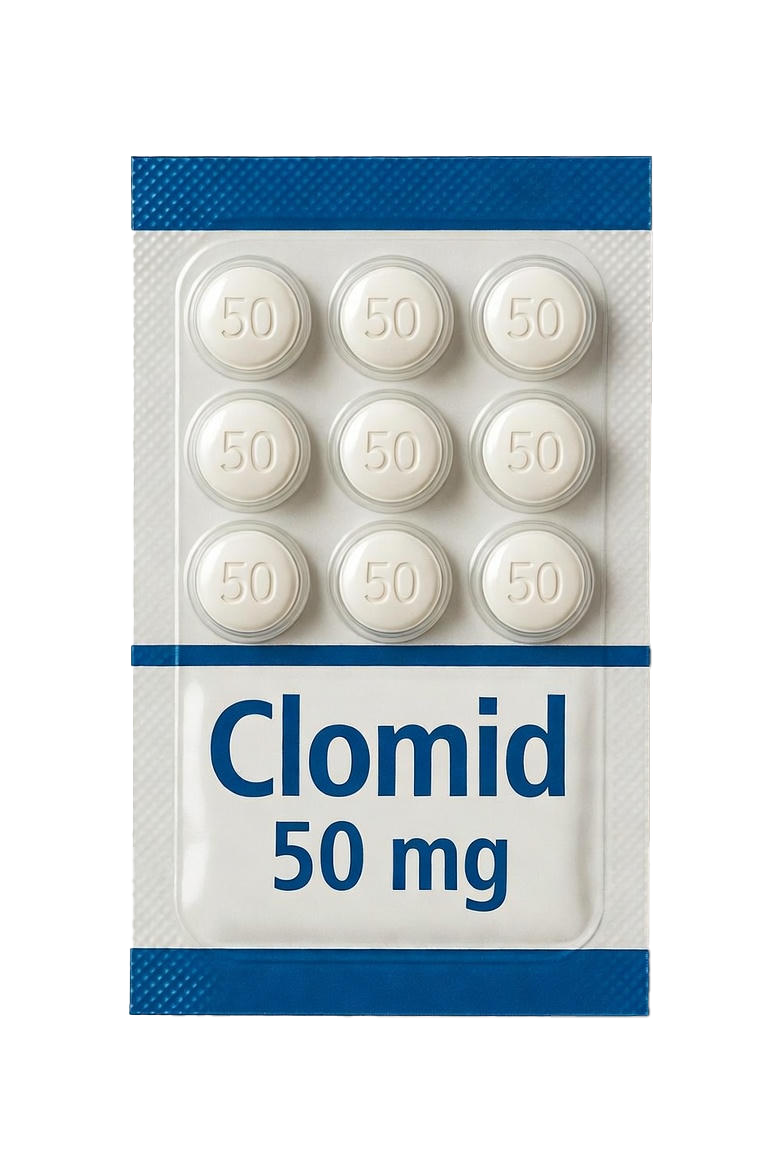
Post-cycle therapy (PCT) refers to strategies used to restore endogenous hormone production after suppression of the hypothalamic–pituitary–testicular axis (HPTA). In practice, this can mean simply stopping exogenous androgens and allowing time for recovery, or using medications such as clomiphene (Clomid) or enclomiphene to stimulate LH/FSH signaling and encourage testosterone production. PCT is most commonly discussed in bodybuilding and endocrinology contexts, but it has also come up in PFS/PSSD/PAS communities where hormonal suppression or dysregulation is suspected to play a role.
In these communities, PCT is often framed as a possible “reset” attempt rather than a targeted treatment. The theory some people reference is that if androgen signaling has become dysregulated or “stuck” after suppression, a structured withdrawal and recovery phase—sometimes supported by medications like clomiphene—might help re-establish a more stable baseline. Importantly, this approach does not directly address all proposed mechanisms of PFS/PSSD/PAS (e.g., neurosteroids, receptor-level changes), which may explain why outcomes vary widely.
Anecdotes (Community Reports):
https://www.reddit.com/r/FinasterideSyndrome/comments/1icq11i/clomid_made_it_worse_dont_do_it/
https://www.reddit.com/r/FinasterideSyndrome/comments/1kye5ed/clomid_experience/
How to Interpret This Page
This page summarizes community anecdotes and informal observations, not medical evidence. “Improvement” here means a person reported feeling better after a given approach; it does not prove causation or predict outcomes for others. Reports are often confounded by time, stopping other triggers, dose changes, lifestyle shifts, and reporting bias. Some approaches mentioned in improvement stories have also been associated with no effect or worsening in other reports. This content is meant as a starting point for research and discussion with a licensed clinician—not as medical advice.
Community Reports: Mixed Outcomes & Variable Risk Signal
Reported improvement mentions:
Within community discussions, PCT (including clomiphene-based PCT or natural HPTA recovery after stopping androgens) appears in a small but notable number of recovery anecdotes, including a few claims of major improvement or apparent recovery. More commonly, people report partial improvement (energy, libido, mood stability) or gradual normalization over time after stopping androgen exposure. Many others report little to no change, which is why PCT is usually framed as a variable “reset” attempt rather than a consistent or universal solution.
Reported risks / reasons for caution:
PCT is not commonly described as a frequent cause of permanent worsening in anecdotes, but it is also not “low impact.” In particular, clomiphene (Clomid) has a broad and sometimes intense side-effect profile—and in community reports, some people describe clear flares/crash-like reactions while on Clomid (mood/anxiety spikes, emotional volatility, insomnia, feeling wired/off, libido swings, or general destabilization). A common pattern in those reports is that the worsening often improves after stopping, though not always immediately. More broadly, repeated or aggressive HPTA manipulation (starting/stopping, large swings, stacking compounds) can be destabilizing for people who already feel hormonally fragile. Some discussions also mention enclomiphene as potentially better tolerated for some individuals(with less of the “mixed isomer” baggage people attribute to Clomid), but community outcomes still look mixed and it shouldn’t be assumed to be risk-free.
Practical Context
A common theme in reports is that time + stopping suppressive agents may be as important as any specific PCT drug. Some people attribute improvement to PCT when time, stabilization, and removal of triggers may also be contributing factors. For that reason, PCT is often best framed as one possible component of recovery, not a cure—and, when medications like clomiphene are involved, ideally something approached with clinician oversight, baseline labs, and a conservative plan, rather than trial-and-error experimentation.
Evidence basis:
Established endocrinology of HPTA suppression and recovery; clinical use of clomiphene for hypogonadism; anecdotal reports (online forums/self-reports). No controlled studies demonstrating PCT efficacy for PFS/PSSD/PAS specifically.
*informational — not medical advice.
Summarizes community reports; not a recommendation to try or avoid