Kisspeptin
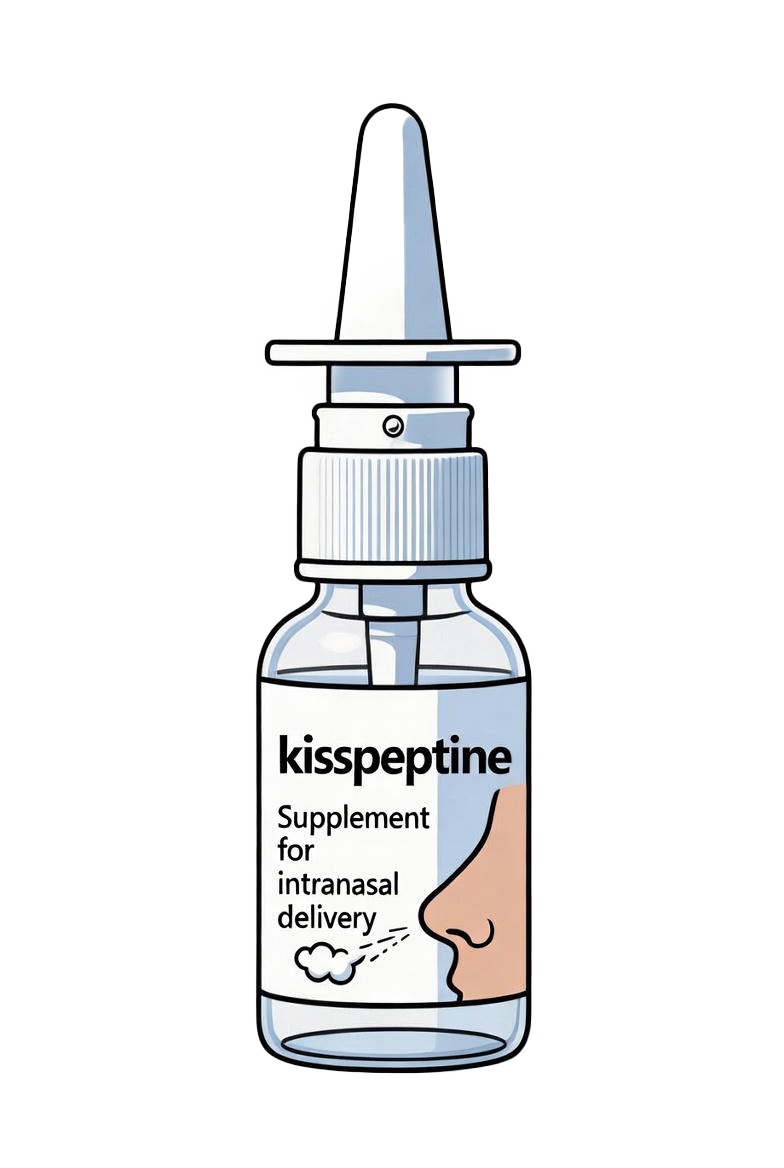
Kisspeptin is an endogenous peptide hormone that plays a central role in controlling the hypothalamic–pituitary–gonadal (HPG) axis. In simple terms, kisspeptin signaling acts “upstream” of reproductive hormones by stimulating GnRH neurons, which then increases LH and FSH release from the pituitary. Because LH/FSH regulate gonadal hormone production, kisspeptin administration can—in some contexts—raise testosterone (and downstream estradiol)by increasing endogenous signaling rather than supplying hormones directly. (PNAS)
Kisspeptin also gets attention in sexual-medicine research because it appears to influence sexual desire/processing in the brain. A randomized clinical trial in men with hypoactive sexual desire disorder reported changes in sexual brain processing and physiological measures (penile tumescence) with kisspeptin administration—this is not PFS/PSSD-specific, but it’s part of why people see it as potentially relevant to libido/arousal symptoms. (PMC)
How to Interpret This Page
This page summarizes community anecdotes and informal observations, not medical evidence. “Improvement” means a person reported feeling better after an intervention; it does not prove the intervention caused the change or that it will apply to others. Outcomes can be influenced by many factors (time, stopping another trigger, dose changes, other interventions, sleep/diet), and reporting bias is common. Some substances mentioned in improvement stories are also linked to flares or worsening in other reports. Use this as a starting point for research and discussion with a licensed clinician—not as medical advice.
Anecdotes (Community Reports):
https://www.reddit.com/r/PSSD/comments/1euo794/i_have_recovered_for_over_a_year_with/
https://www.reddit.com/r/PSSD/comments/1iyqncy/after_11_years_of_pssd_kisspeptin10_is_the_first/
Community Reports: Mixed Outcomes & Variable Risk Signal
What people hope it will do (and why): In PFS/PSSD/PAS circles, kisspeptin is usually framed as a “top-of-the-axis” lever—i.e., a way to stimulate endogenous LH/FSH pulses and potentially improve libido/sexual function without committing to long-term exogenous testosterone. That theory loosely fits the idea that some cases involve dysregulated signaling rather than “low numbers” alone.
What’s actually reported: As you noted, there are a handful of standout stories claiming major improvement or even “full recovery,” and also several more modest improvement stories. But the broader pattern people describe is mixed: many report little/no durable change, and some report feeling worse (often framed as hormonal volatility—sleep, anxiety, emotional flattening, libido swings, or a “wired/off” feeling). A reasonable way to present this is: kisspeptin is an intervention that can create a meaningful endocrine signal, but PFS/PSSD symptoms don’t reliably track hormone increases, so results can be unpredictable.
Risk / caution signals: Compared with heavier interventions, kisspeptin is often discussed as lower risk than long-term TRT in the sense that it’s not automatically a permanent shutdown of the axis—but it’s still a potent hormone-axis modulator. Human studies in men show kisspeptin can increase LH dynamics and testosterone in certain groups, which implies real physiologic impact (not “just a peptide”). (PubMed)
Additionally, controlled/review literature generally describes acute administration as well tolerated in research settings, but that doesn’t equal “risk-free,” and typical peptide-world use can differ from trials (dose, purity, duration). (PMC)
Practical caution is appropriate: variable sourcing/quality, endocrine swings, and the fact that “bigger hormone signaling” doesn’t necessarily target the suspected underlying mechanism in everyone.
*informational — not medical advice.
Summarizes community reports; not a recommendation to try or avoid