Antipsychotics
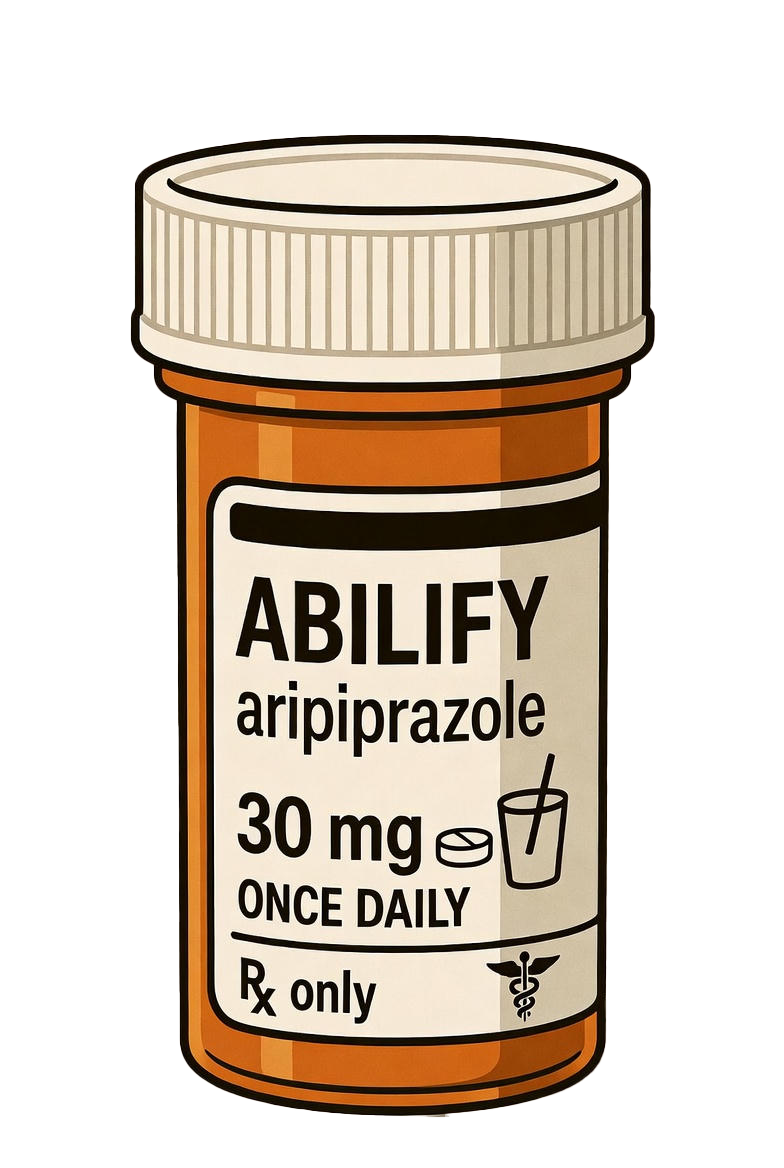
Antipsychotics are prescription medications used for conditions such as schizophrenia, bipolar mania, and sometimes as adjuncts for severe depression, agitation, or insomnia in specific situations. Broadly, they reduce dopamine signaling—most commonly through D2 receptor blockade or partial agonism. Many second-generation (“atypical”) antipsychotics also block serotonin 5-HT2A receptors and may have additional antihistamine, anticholinergic, and alpha-adrenergic effects, which can contribute to sedation, weight gain, and other systemic side effects.
In PFS/PSSD/PAS discussions, antipsychotics are not typically framed as anti-androgens, but they are often approached with caution because they can strongly affect sexual function, motivation, and emotional range through dopamine blockade and, in some cases, prolactin elevation (which can reduce libido and arousal and contribute to “hypogonadal-like” symptoms). They also carry neurologic risks that are relevant for sensitized individuals, including akathisia/extrapyramidal symptoms (EPS), the possibility of tardive dyskinesia with longer exposure, and rare but serious neuroleptic malignant syndrome (NMS).
(1) https://www.ncbi.nlm.nih.gov/books/NBK519503/
(2) https://pmc.ncbi.nlm.nih.gov/articles/PMC3623530/
(3) https://www.ncbi.nlm.nih.gov/books/NBK482282/
Crash Anecdotes (Community Reports):
https://www.reddit.com/r/FinasterideSyndrome/comments/1fb8zns/stay_away_from_antipsychotics/
https://www.reddit.com/r/PSSD/comments/1d7lsa4/raising_awareness_pssd_from_antipsychotics/
How to Interpret This Page
This page summarizes anecdotal reports and community observations, not medical evidence. “Risk” here refers to how frequently severe or prolonged symptom worsening is reported, not to proven causation or population-wide probability. Individual responses vary widely, and absence of issues in some users does not rule out significant reactions in others.
Risk Signal Based on User Reports
Reports of Severe and Sometimes Lasting Worsening (for PFS/PSSD/PAS):
Among individuals who already have PFS/PSSD/PAS, antipsychotics are frequently discussed in community reports as potential destabilizers, sometimes described as prolonged. Concerns most often focus on sexual dysfunction, emotional blunting/anhedonia, reduced motivation, and agitation/akathisia-like reactions—effects that may overlap with core symptom domains in these syndromes. Because antipsychotics can produce strong dopaminergic and serotonergic shifts and carry meaningful neurologic side-effect risks, many in these communities consider avoidance—or very careful, medically supervised use when clearly indicated—a more conservative approach.
For individuals without these conditions, antipsychotics can be highly beneficial and sometimes essential for serious psychiatric illness, but adverse effects (sexual dysfunction, metabolic changes, akathisia/EPS, and in rare cases NMS) can still occur in a subset of users. Given the intensity of these medications and the variability of individual response, careful risk–benefit assessment and monitoring are generally important.
Evidence basis: Clinical pharmacology and safety literature; documented sexual/prolactin-related effects; anecdotal reports (online forums, self-reports); no controlled studies examining PFS/PSSD/PAS-specific outcomes.