Ashwagandha
Ashwagandha (Withania somnifera) is an herbal supplement commonly marketed as an “adaptogen” for stress, sleep, anxiety, and general hormone support, and is sometimes described as testosterone-boosting. It is sold in a wide range of forms (root powder, standardized extracts, proprietary blends), and different preparations can vary substantially in dose, composition, and biological effects
-
This page summarizes anecdotal reports and community observations, not medical evidence. Reports may be incomplete, biased or inaccurate and are not medical advice or recommendations. “Risk” here refers to how frequently severe or prolonged symptom worsening is reported, not to proven causation or population-wide probability. Individual responses vary widely, and absence of issues in some users does not rule out significant reactions in others.
-
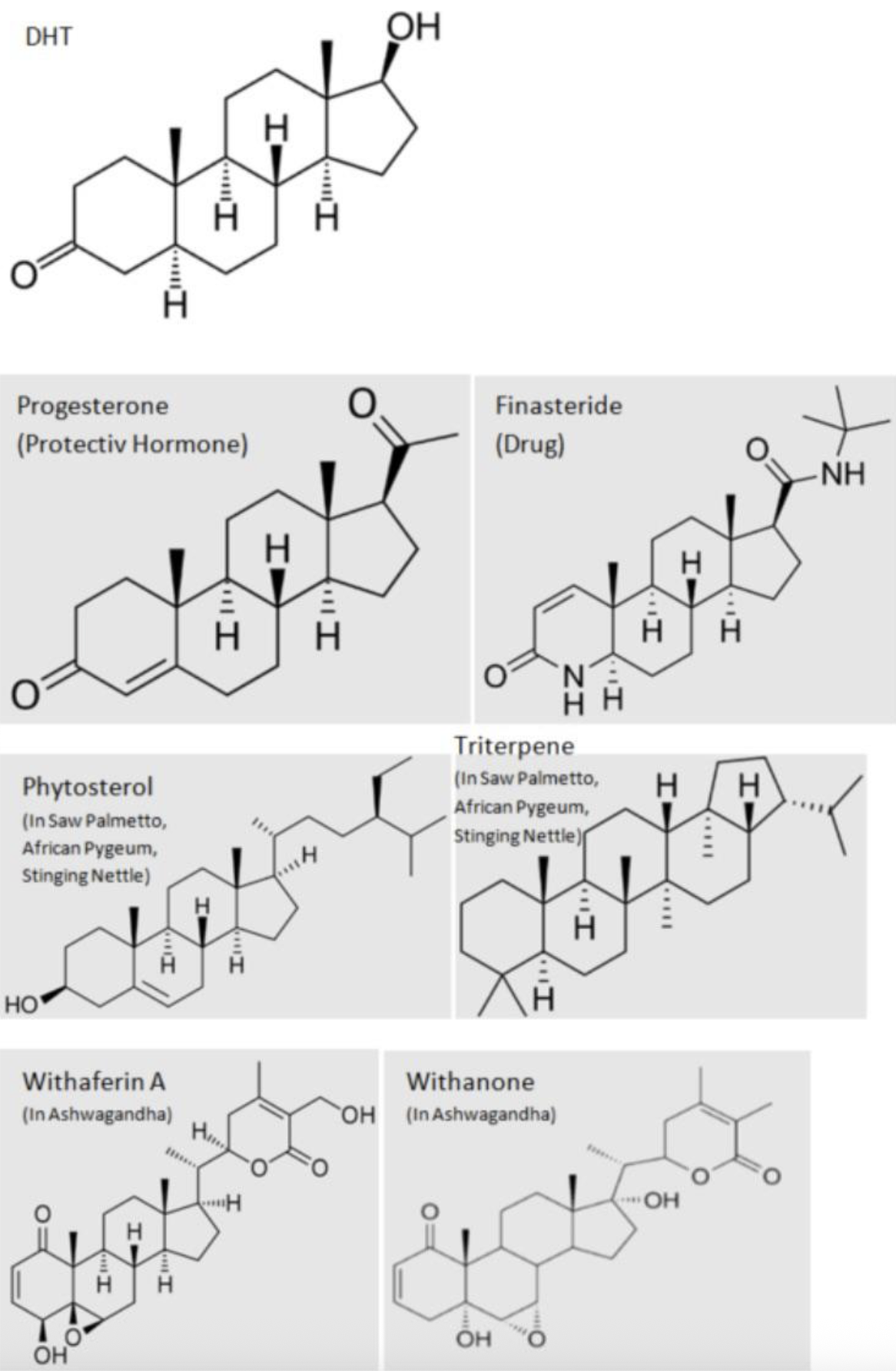
Within PFS/PSSD/PAS communities, ashwagandha is discussed in relation to its potential interactions with androgen and neurosteroid pathways. Community speculation often centers on parallels between reported reactions to ashwagandha and effects associated with anti-androgen exposure or 5-alpha-reductase–related disruption, raising concern that certain ashwagandha-derived compounds may influence androgen signaling, DHT-mediated activity, or downstream neurosteroid balance. Particular attention is drawn to the chemical structures of withanolides (e.g., withaferin A and withanone), which possess a steroidal or triterpenoid backbone resembling structural frameworks seen in other substances commonly discussed for anti-androgen activity, including finasteride and plant-derived agents such as saw palmetto.
-
Reports of Severe and Sometimes Lasting Worsening (for PFS/PSSD/PAS):
Among individuals who already have PFS/PSSD/PAS, ashwagandha is approached with significant caution as it is frequently cited in community reports as preceding symptom worsening, with accounts describing both acute exacerbations and longer-lasting declines in baseline. Although the severity and duration of these reactions vary between individuals, reports within this subgroup show a largely consistent direction toward worsening rather than improvement. In light of this pattern, many within the community view ashwagandha as carrying a meaningful risk for those with established PFS/PSSD/PAS, even in the absence of controlled data.
For individuals without these conditions, ashwagandha is widely used and tolerated by many, but there are also reports of a so-called “post-ashwagandha” reaction with symptoms that can resemble PFS/PSSD/PAS.
Evidence basis: Anecdotal reports (online forums, self-reports); mixed mechanistic hypotheses; no controlled human studies examining PFS/PSSD/PAS outcomes. -
Public comments reflect individual experiences and opinions. They are not medical advice and may not be accurate or representative.