Diet
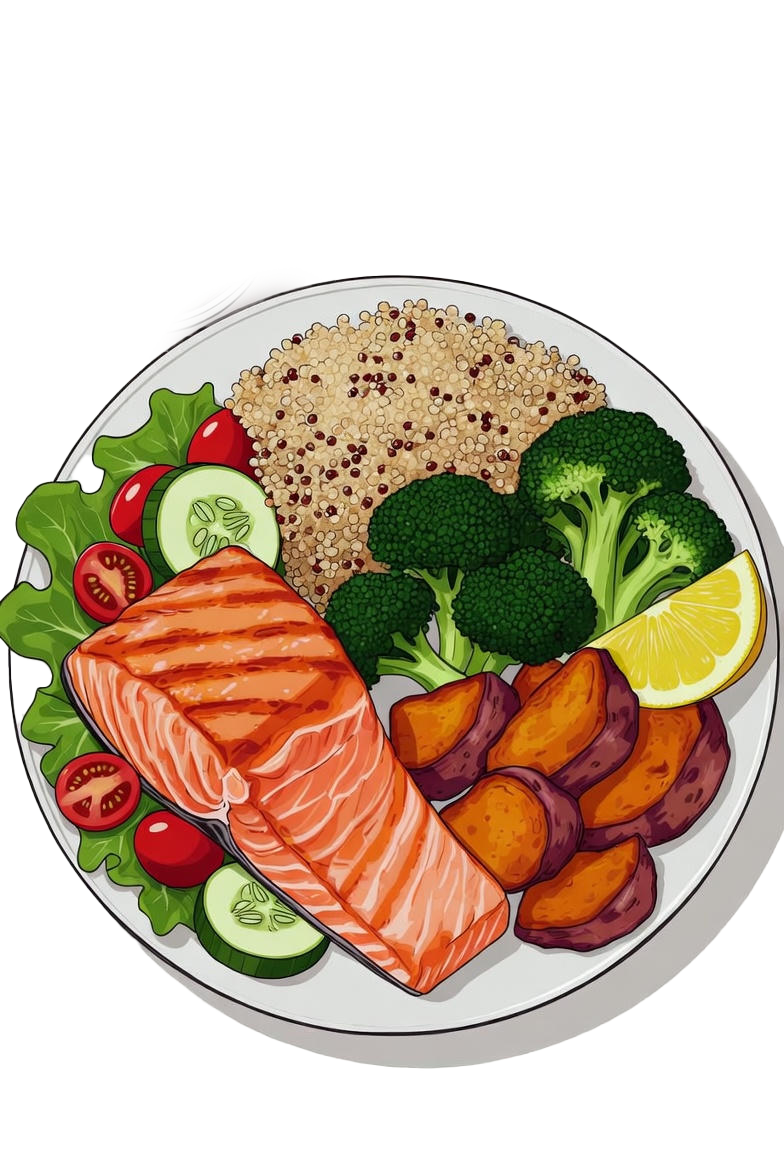
Diet refers to the overall pattern of foods and beverages a person regularly consumes. It plays a central role in energy levels, metabolic health, and overall well-being. Different dietary approaches emphasize varying proportions of macronutrients, micronutrients, and food sources. Individual responses to diet can vary based on genetics, health status, and lifestyle factors.
-
This page summarizes anecdotal reports and community observations, not medical evidence. Reports may be incomplete, biased or inaccurate and are not medical advice or recommendations. “Risk” here refers to how frequently severe or prolonged symptom worsening is reported, not to proven causation or population-wide probability. Individual responses vary widely, and absence of issues in some users does not rule out significant reactions in others.
-
Within PFS/PSSD/PAS communities, diet is discussed in relation to its potential interactions with inflammation, gut health, immune signaling, and nervous-system pathways. Mechanistically, food sensitivities, dysbiosis, or metabolic stress can drive low-grade inflammation and repeated immune activation, which may interact with pathways involving the gut–immune–brain axis. The gut microbiome can influence systemic inflammation and the stress response, and it has real interfaces with hormone and neurotransmitter biology. For example, most serotonin in the body is produced in the gut (primarily by enterochromaffin cells), and microbial metabolites can influence serotonin signaling, vagal/autonomic tone, and even blood–brain barrier and microglial activity. These mechanisms may interact with pathways involving inflammation, gut–brain signaling, or immune regulation that are often discussed in relation to PFS / PSSD / PAS.
-
Foundational Role in Some — But Not All — Recovery Stories (PFS/PSSD/PAS)
Among those with PFS/PSSD/PAS, improvement in diet are frequently mentioned in anecdotes reporting minor to moderate improvements in symptoms, especially involving those that improved with gut related protocols. Many anecdotes conversely show a change in diet results in no improvement or only temporary improvements.
Evidence basis: Anecdotal reports (online forums, self-reports); established relationships between diet, inflammation, and gut health; no controlled studies examining PFS/PSSD/PAS-specific outcomes.
-
Public comments reflect individual experiences and opinions. They are not medical advice and may not be accurate or representative.