ALCAR (Acetyl L Carnitine)
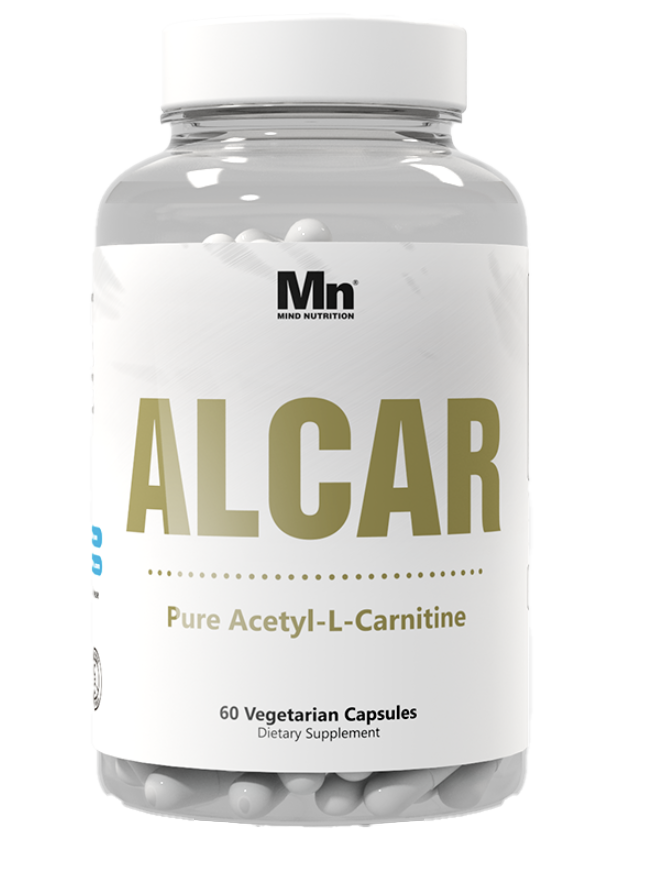
Acetyl-L-carnitine (ALCAR) is a modified form of carnitine where an acetyl group is attached. It’s commonly sold as a “brain/energy” supplement and is often discussed for cognitive support, nerve health, and fatigue, partly because the acetyl group helps it cross into the central nervous system more readily than standard L-carnitine. In supplement discussions, people sometimes lump “carnitine” together, but ALCAR is not the same as L-carnitine (or L-carnitine L-tartrate): it tends to feel more CNS-active and can produce a different side-effect profile
-
This page summarizes anecdotal reports and community observations, not medical evidence. Reports may be incomplete, biased or inaccurate and are not medical advice or recommendations. “Risk” here refers to how frequently severe or prolonged symptom worsening is reported, not to proven causation or population-wide probability. Individual responses vary widely, and absence of issues in some users does not rule out significant reactions in others.
-
Within PFS/PSSD/PAS communities, ALCAR is discussed in relation to its potential interactions with mitochondrial energy metabolism and neurotransmitter pathways. Because it can influence brain energy signaling and intersects with cholinergic/monoaminergic systems (directly or indirectly), ALCAR may interact with pathways involving energy metabolism, neurotransmitter tone, or CNS signaling that are often discussed in relation to PFS / PSSD / PAS.
-
Reports of Severe and Sometimes Lasting Worsening (for PFS/PSSD/PAS):
Among individuals who already have PFS/PSSD/PAS, ALCAR is approached with significant caution as it is frequently cited in community reports as preceding symptom worsening, with accounts describing both acute exacerbations and longer-lasting declines in baseline. Although the severity and duration of these reactions vary between individuals, reports within this subgroup show a largely consistent direction toward worsening rather than improvement. In light of this pattern, many within the community view ALCAR as carrying a meaningful risk for those with established PFS/PSSD/PAS, even in the absence of controlled data.
For individuals without these conditions, ALCAR is widely used and may be beneficial for some, but there are still reports of activating effects and adverse reactions in a subset of users.Evidence basis: Anecdotal reports (online forums, self-reports); established mechanisms of action; no controlled studies examining PFS/PSSD/PAS-specific outcomes.
-
Crash / Baseline Drop (Reported)
Crash / Baseline Drop (Reported)
Flare (Reported, Often Reversible)
Public comments reflect individual experiences and opinions. They are not medical advice and may not be accurate or representative.